Denim is one of those wardrobe staples that never goes out of fashion, yet I still find myself reaching for the same old outfits every autumn. That’s when I discovered the transformative power of mixing textures. Suddenly, my favourite pair of jeans felt fresh again, and my whole look had a layer of sophistication I hadn’t expected. It turns out, combining denim with contrasting fabrics—like soft knits, crisp cotton, or even sleek leather—can completely change the energy of an outfit. If you’ve ever wondered how to make denim feel more elevated or modern, this is your guide to mastering texture play.
Why Textures Matter in Denim Styling
Texture adds depth and interest to any outfit, especially when it comes to something as neutral as denim. I’ve found that wearing a plain denim jacket over a simple tee can feel a bit flat, but pair that same jacket with a chunky knit or a silk blouse, and suddenly the look becomes dynamic and intentional. The human eye is drawn to contrast—think of the way rough denim pairs beautifully with the smooth drape of a satin scarf or the softness of a cashmere sweater. Mixing textures doesn’t just make your outfit more visually engaging; it also adds a sense of thoughtfulness to your styling. It shows you’re not just throwing clothes on—you’re curating a look with intention and flair.
Start with the Right Denim Base
Before you begin layering textures, it’s essential to choose the right pair of denim. Not all jeans are created equal when it comes to texture play. I usually opt for medium-wash denim that’s slightly worn-in, as it offers a soft, lived-in feel that pairs well with other fabrics. Heavier, stiffer denim tends to dominate the outfit, so I reserve those for when I’m going for a more rugged look. Light-wash denim, on the other hand, works well with delicate textures like lace or fine knits. If you’re mixing textures for the first time, start with a pair that has a subtle texture—maybe some soft, brushed denim or a slightly slubbed fabric. That way, you’re not fighting against the denim’s own texture, and the contrast with other fabrics shines through.
Pair Denim with Knitwear for Cozy Elegance
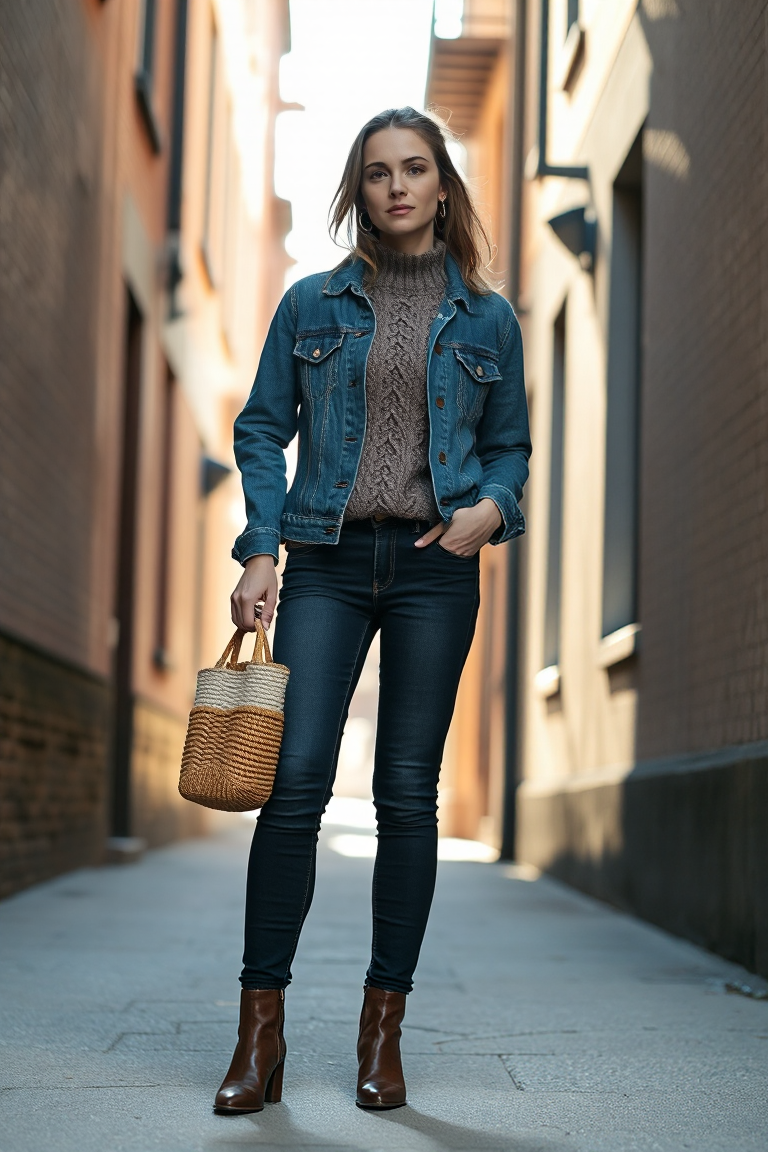
One of my favourite combinations is denim with knitwear. It’s a classic pairing that never fails to feel polished. I love wearing a chunky, oversized knit sweater over straight-leg jeans—especially during cooler months. The contrast between the soft, ribbed knit and the sturdy denim creates a balanced look that’s both comfortable and stylish. For a more refined look, try a fine-knit turtleneck under a denim jacket. The texture of the knit adds warmth and dimension, while the denim keeps the outfit grounded. If you want to add even more interest, choose a sweater with a subtle pattern, like a ribbed or cable knit. It’s a small detail that elevates the whole outfit without overwhelming it.
Introduce Leather for Edge and Sophistication
Leather is a game-changer when it comes to texture mixing with denim. I remember the first time I wore a leather biker jacket over a pair of dark wash jeans—I felt instantly cooler, more confident. The way leather catches the light and has a natural sheen contrasts beautifully with the matte finish of denim. You don’t need to go all-out; even a small leather accessory, like a cross-body bag or a belt, can make a difference. For a more layered look, try a leather vest over a denim shirt and jeans. The combination feels effortlessly cool, especially when paired with boots. Just be mindful of the leather’s finish—suede has a softer texture, while smooth leather offers a sharper contrast. Either way, it adds a touch of edge that makes denim feel more intentional.
Experiment with Silk and Satin for a Luxe Touch
Silk and satin are fabrics that elevate denim in an instant. I love wearing a silky slip dress over a pair of distressed jeans for a dinner date—think high-low styling at its finest. The smooth, fluid texture of the silk contrasts beautifully with the roughness of denim, creating a look that’s both casual and luxurious. You can also wear a satin blouse under an open denim jacket, or even pair a silk scarf with a denim shirt for a subtle pop of shine. These fabrics catch the light in a way that denim doesn’t, making your outfit feel more dynamic. I tend to use silk or satin in smaller doses—like a blouse or a scarf—so it doesn’t overpower the look. It’s a simple way to add a luxe feel without going overboard.
Use Denim Jackets as Texture Versatility Tools
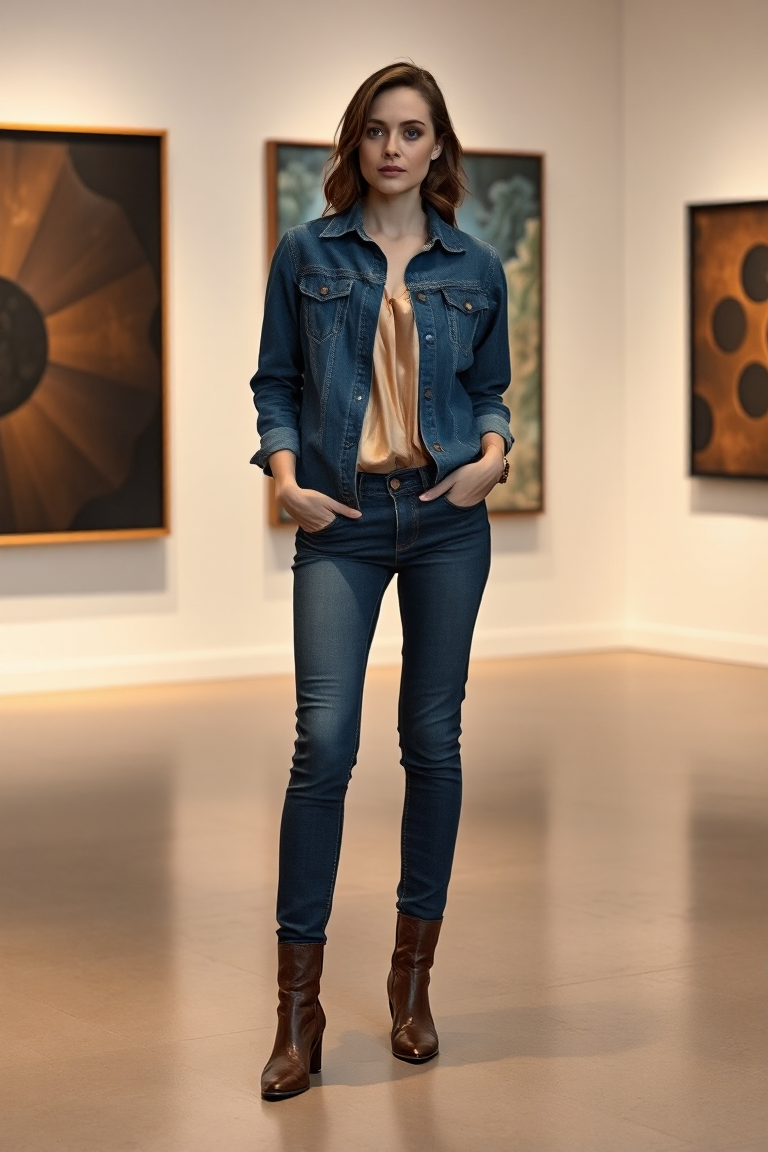
A denim jacket is one of the most versatile pieces in your wardrobe, especially when it comes to texture mixing. I wear mine over everything—from cotton t-shirts to silk blouses—and each look feels completely different. When layered over a sheer, flowy dress, the denim adds structure and a touch of edge. When worn over a heavy knit sweater, it softens the look and keeps it from feeling too bulky. I’ve even worn a denim jacket over a leather top for a fun, layered look that’s perfect for autumn. The best part? A denim jacket is already textured, so it naturally pairs well with other fabrics. It’s the ultimate styling tool for creating contrast and depth in your outfit.
Balance Your Look with Neutral or Contrasting Fabrics
When mixing textures, it’s important to consider how they work together. I’ve learned that pairing two bold textures—like denim and a chunky knit—can be overwhelming, so I often balance them with a neutral fabric. For example, a denim jacket over a simple cotton tee and dark jeans feels cohesive because the cotton acts as a bridge between the textures. Alternatively, if you’re pairing denim with a bold fabric like velvet or corduroy, keep the rest of the outfit minimal. This way, the textures are allowed to stand out without competing. I also love using neutral colours—like cream, beige, or charcoal—to let the textures do the talking. It keeps the look clean and intentional.
Try Denim with Faux Fur for a Winter Statement
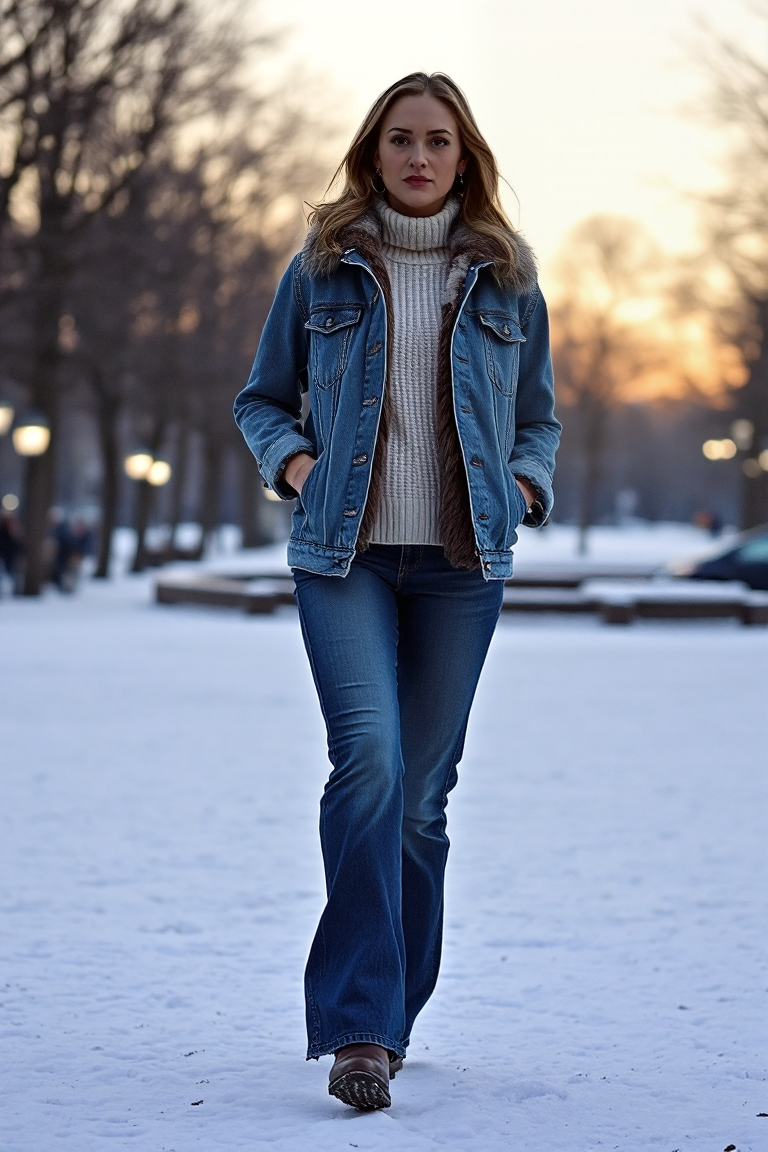
Winter is the perfect time to experiment with bold texture combinations. I recently wore a denim jacket with a faux fur vest layered over a turtleneck, and it was an absolute showstopper. The softness of the faux fur contrasts beautifully with the rugged texture of denim, creating a look that’s both warm and stylish. You don’t need to go all-out—just a faux fur scarf or a small vest can add a touch of luxury. I find that this combo works best when the denim is dark and the faux fur is in a neutral shade like beige or taupe. It keeps the look balanced and prevents it from feeling too flashy. Plus, it’s a great way to add a bit of glamour to your winter wardrobe without sacrificing comfort.
Use Denim Shirts as Textural Foundation Pieces
Denim shirts are a hidden gem in texture mixing. I wear mine as standalone tops, layered under cardigans, or even as outerwear. The beauty of a denim shirt is that it has a built-in texture, making it the perfect base for layering. Pair it with a soft cashmere sweater underneath, and you’ve got a cozy, layered look that’s perfect for cooler days. Or, wear it open over a silk camisole for a look that’s both casual and chic. I’ve also layered a denim shirt over a leather jacket for a bold, modern twist. Because denim shirts are so versatile, they help you mix textures without needing to buy a lot of new clothes.
Keep Your Footwear in Mind When Mixing Textures
Footwear can make or break a textured outfit. I’ve noticed that the wrong shoes can make a look feel disjointed, especially when you’re mixing a lot of textures. For example, if you’re wearing a chunky knit sweater with distressed jeans, avoid sneakers unless they’re sleek and minimalist. Instead, opt for boots, loafers, or even ankle boots with a slight heel. These add structure and sophistication to the outfit. I also love pairing textured denim with smooth, polished footwear—like patent leather shoes or sleek leather boots. It creates a nice contrast and keeps the look grounded. When in doubt, choose footwear that complements the textures in your outfit rather than competing with them.
Accessorise with Textured Pieces for Extra Dimension
Accessories are a simple way to enhance texture in your denim outfits. I’ve started using woven leather belts, knitted scarves, and textured handbags to add subtle layers to my look. A chunky knit scarf with a denim jacket and jeans instantly elevates the outfit, while a woven belt adds a tactile detail that draws the eye. Even a pair of textured gloves or a beaded bag can make a difference. I also love layering necklaces with different textures—like a thin gold chain over a chunky knit sweater and a denim shirt. These small details add personality and depth without overwhelming the outfit. The key is to keep accessories intentional and not too cluttered.
Frequently Asked Questions
Can you mix different washes of denim in one outfit?
Yes, but be mindful of the contrast. Mixing dark and light denim can work if the difference is subtle—like a light-wash jacket over dark jeans. However, avoid pairing too many washes together, as it can look chaotic. Stick to one dominant wash and use the other as a layer for visual interest.
Is it okay to mix denim with other casual fabrics like cotton or corduroy?
Absolutely. Cotton and corduroy are great complementary fabrics. Cotton adds a clean, soft texture that pairs well with denim, while corduroy offers a richer, more tactile feel. Just ensure the fabrics are balanced—pairing two heavy textures can feel too dense.
How do you avoid looking overdressed when mixing textures?
Keep the overall vibe relaxed. Choose one or two key textures to highlight, and let the rest of the outfit remain simple. For example, pair textured denim with a plain tee and boots, or wear a silk blouse under a denim jacket. The goal is to add interest, not complexity.