
I’ve always believed that accessories are the unsung heroes of any outfit—those little details that can turn a good look into something truly special. Whether it’s a statement necklace that catches the eye or a pair of earrings that make you feel like the main character, they have this magical way of transforming how you feel and how others see you. I’ve spent years experimenting with different combinations, and let me tell you, mastering the art of accessorising has completely changed the way I approach my wardrobe. So if you’ve ever wondered how to add just the right touch to your look, this guide is for you.

Why Accessories Are the Secret Weapon of Style
Accessories aren’t just decorative—they’re functional, expressive and transformative. I’ve learned through trial and error that a well-chosen accessory can instantly elevate a simple outfit, making it feel more polished and intentional. For instance, a classic silk scarf tied around a tote bag or a bold ring worn with a plain white tee can inject personality into even the most basic ensembles. What’s more, accessories allow you to adapt one outfit for multiple occasions without having to change your clothes. A pair of delicate earrings might be perfect for a morning coffee run, while the same outfit, paired with a structured clutch and statement earrings, becomes office-ready or evening-appropriate. They’re like little style boosters, and once you start using them intentionally, you’ll find yourself reaching for them more and more. They’re also a great way to experiment with trends without committing to a full wardrobe overhaul.
Know Your Basics: The Essential Accessory Categories
Before diving into the fun of mixing and matching, it’s important to understand the core accessory categories that every wardrobe should include. I always start with the fundamentals: jewellery, bags, belts, scarves and footwear. These are the building blocks of any well-curated look. For jewellery, think of your necklaces, earrings, rings and bracelets—each piece adds a different dimension to your style. Bags are both practical and stylish; a well-chosen handbag can define the tone of an outfit, whether it’s a sleek clutch for a dinner date or a slouchy tote for a weekend stroll. Belts are often overlooked, but they can cinch a dress or coat to flattering effect, and they’re especially useful for adding structure to loose silhouettes. Scarves are incredibly versatile—they can be worn around the neck, tied in your hair, or draped over your arm. Finally, footwear sets the tone completely: a pair of classic loafers suggests sophistication, while chunky boots lean into edginess. Understanding these categories helps you build a cohesive and balanced look.
Start with Your Outfit: What’s the Vibe?
Before you reach for any accessories, take a moment to consider the overall mood of your outfit. Is it chic and minimalist? Then you might want to keep accessories subtle and refined. If your look is boho or eclectic, go bold and playful with your choices. I’ve found that matching accessories to the energy of the outfit creates a sense of harmony. For example, if I’m wearing a flowy maxi dress in earthy tones, I’ll often pair it with layered gold jewellery, a woven tote and flat sandals—this keeps the vibe cohesive while still adding layers of interest. On the other hand, if I’m dressed in a sharp tailored blazer and trousers, I’d lean into sleek metallic earrings and a structured handbag to complement the modern aesthetic. The key is to assess the tone of your outfit—whether it’s relaxed, formal, romantic or edgy—and then let that guide your accessory choices. This way, your accessories don’t feel tacked on—they feel like they belong.
Master the Art of Layering Accessories
Layering accessories is where the real fun begins. I used to be afraid of over-accessorising, worrying that too much would look messy. But with practice, I discovered that layering can actually enhance a look if done thoughtfully. Start with one statement piece—like a bold necklace or a pair of oversized earrings—and build around it. You can layer delicate chains with a thicker piece, or pair a wide belt with a chunky bracelet. The trick is to maintain balance. For example, if you’re wearing a statement ring, avoid stacking too many bracelets on the same wrist—instead, opt for a single thin bangle to keep it light. I also like to mix textures: pairing a delicate gold chain with a chunky leather cuff or a beaded bracelet adds visual interest without overwhelming. Remember, less is more when you’re starting out—build confidence gradually and experiment with combinations that feel right for you.
Balance Is Everything: The Rule of Thirds
One of the most important principles in accessorising is balance—both in terms of quantity and placement. I’ve learned that the rule of thirds applies not just to photography but to fashion too. If your outfit is busy, keep your accessories minimal, and if your outfit is simple, feel free to go bolder with accessories. For example, a busy printed dress doesn’t need a lot of jewellery—instead, keep it simple with a single pair of earrings and a delicate bracelet. On the flip side, a plain black turtleneck is the perfect canvas for a bold necklace and statement earrings. It’s also important to consider where accessories are placed. A necklace draws attention to the face, while a belt draws attention to the waist. If you’re wearing a wide belt, avoid a large pendant necklace, as both pull focus in the same area. Instead, pair the belt with a pair of earrings and a slim bracelet to keep the look balanced and intentional.
Colour Coordination: When to Match, When to Contrast
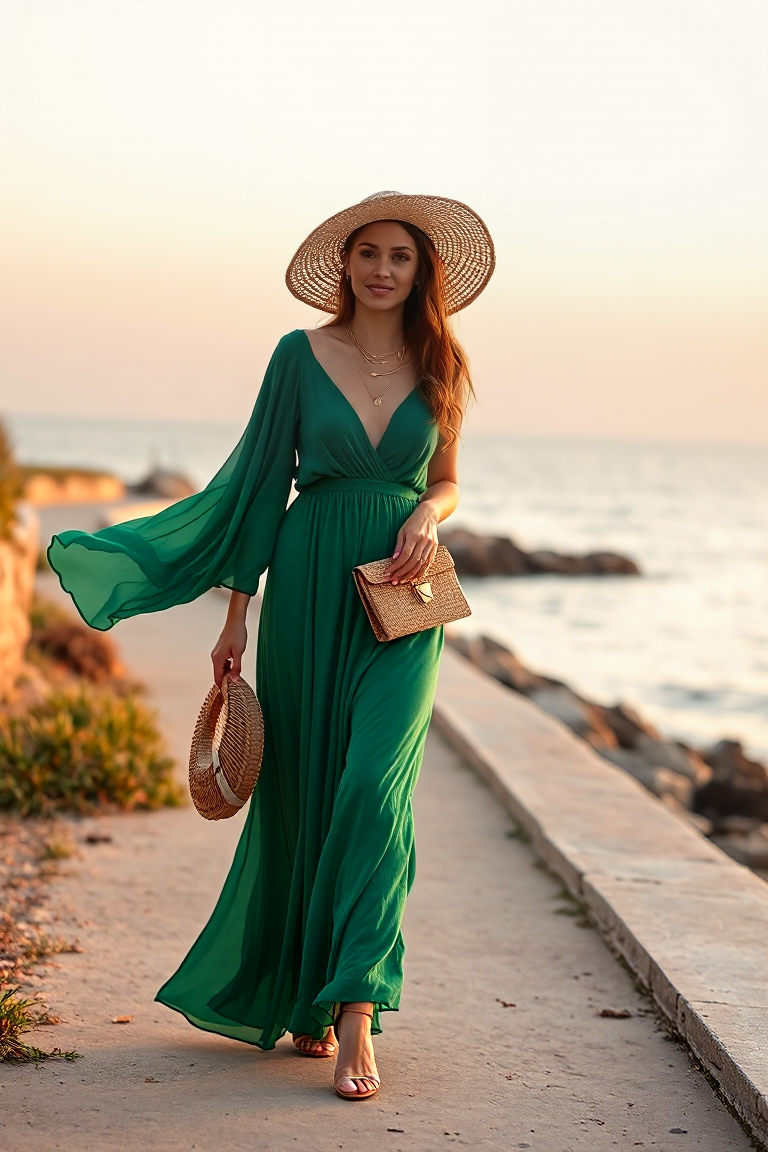
Choosing colours for your accessories is where creativity really comes into play. I’ve found that matching your accessories to your outfit creates a polished, cohesive look, especially in professional or formal settings. But don’t be afraid to play with contrast—sometimes a pop of colour can be the highlight of an outfit. For example, if you’re wearing a neutral outfit in beige, cream or grey, a vibrant red clutch or a pair of turquoise earrings can add drama and personality. I also love using metallics like gold, silver and rose gold to tie together different elements. A gold watch paired with a gold ring and earrings creates a cohesive look, even if the colours of the clothing vary. When in doubt, stick to a monochromatic scheme—using different shades of the same colour—and you’ll always have a sophisticated, intentional feel. But don’t be afraid to break the rules and let your personality shine through with bold colour choices.
Think About Proportions: How Accessories Fit Your Silhouette
Accessories should complement your body shape and the proportions of your outfit. I’ve learned that certain accessories can enhance or even change your silhouette. For example, if you’re wearing a long, flowy dress, a wide belt can help define your waist and create a more structured look. Similarly, if you’re wearing a short top, a long necklace can elongate your frame and draw the eye downward. I also pay attention to how accessories fit my body type—slender wrists might suit delicate bracelets, while wider wrists can handle bolder cuffs. When it comes to hats, I always consider face shape and head size; a wide-brimmed hat can be stunning on a tall, slender woman but may overwhelm someone with a smaller frame. Similarly, oversized sunglasses can be dramatic but only work if they suit your facial features. The key is to choose accessories that flatter your proportions and enhance your natural shape.
Seasonal Considerations: Dressing for the Weather and Time of Year
Seasonal changes have a big impact on accessory choices. In winter, I tend to go for warmer textures like wool scarves, thick knit gloves and chunky boots. I love pairing a cashmere scarf with a long coat—there’s something incredibly cozy and stylish about it. In summer, I switch to lightweight materials like silk scarves, woven bags and delicate jewellery. I also love a wide-brimmed hat for sun protection and a touch of glamour. The key is to ensure your accessories are functional as well as fashionable. For example, a leather tote might be perfect for a spring brunch, but it’s not practical for a rainy day—opt for a waterproof bag instead. I also love how accessories can signal the season: a pair of sunglasses and a straw hat instantly scream summer, while a thick woolen scarf and a wool hat are unmistakably winter. Seasonal accessories help me feel connected to the time of year and make transitions between looks feel natural.
Invest in Quality: Why It Matters
It might seem tempting to buy cheap accessories in bulk, but I’ve learned that investing in a few high-quality pieces pays off in the long run. A well-made piece of jewellery or a durable handbag can last for years and become a wardrobe staple. I’ve had a pair of gold earrings that I’ve worn for over a decade—they still look great, and I feel a sense of pride every time I wear them. On the other hand, cheap items often tarnish, break or lose their shape quickly. I recommend choosing materials like sterling silver, gold-plated, leather or genuine suede. These last longer and maintain their appearance. A good quality watch or a leather belt can also serve as an investment piece that ages beautifully. While it might be tempting to splurge on a trend, I’ve found that timeless pieces are the most valuable. They’re versatile, durable and always in style.
Confidence is the Best Accessory
Ultimately, the most important accessory you can wear is confidence. I’ve seen people wear the most elaborate outfits with the most stunning accessories, but if they don’t carry themselves with assurance, the look falls flat. Confidence isn’t about looking perfect—it’s about feeling comfortable and owning your style. I’ve found that when I walk into a room with my head held high and a smile on my face, I don’t need to worry about whether my accessories are “right” or not—they simply become part of my expression. Confidence allows you to experiment with bold choices, to wear something that might feel outside your comfort zone, and to walk away feeling like the star of the show. So while accessories can enhance your look, it’s your attitude that truly defines your style. Wear what makes you feel like the best version of yourself, and the rest will follow.
How to Build a Versatile Accessory Collection
Building a versatile accessory collection starts with the basics and grows from there. I recommend starting with a few key pieces that can be mixed and matched across different outfits. Begin with a pair of classic stud earrings, a simple gold chain, a neutral handbag, a versatile belt and a pair of comfortable yet stylish shoes. From there, add a few statement pieces that reflect your personal style—maybe a bold ring, a chunky necklace or a colourful scarf. I also like to keep a few seasonal accessories on hand, like a pair of gloves or a sun hat. The goal is to create a collection that’s functional, stylish and adaptable. I like to rotate my accessories every few months to keep things fresh, and I’ll often pair a new outfit with accessories I haven’t worn in a while—this way, even my basic pieces feel new. A well-curated collection not only saves time but also makes getting dressed feel effortless.
Frequently Asked Questions
How many accessories is too many?
There’s no strict number, but I’d say if you’re wearing more than three to four key accessories—like a necklace, earrings, bracelet and bag—you risk overwhelming your look. The trick is to balance bold pieces with simpler ones and ensure they complement each other rather than compete.
Can accessories change the vibe of an outfit?
Absolutely. A single accessory—like a wide belt, statement earrings or a silk scarf—can completely shift the mood of an outfit from casual to elegant, or from minimalist to boho. It’s all about how you mix and match.
How do I choose accessories for a formal event?
For formal events, opt for elegant, refined pieces. Think delicate jewellery, a structured handbag and classic shoes. Keep the look cohesive with matching metals and avoid anything too flashy. The goal is to enhance the outfit without overpowering it.