
There is nothing quite like slipping into a coat that fits you beautifully — it changes the way you stand, the way you walk, and the way you feel about the whole outfit underneath. Over the years I have learnt that a dressy coat is rarely perfect straight off the rail, and that a handful of thoughtful alterations can transform something ordinary into something that looks made just for you. In this guide I want to walk you through everything I have picked up about tailoring a dressy coat, from the details worth obsessing over to the ones you can happily leave alone. Consider this the honest conversation I wish someone had had with me years ago.
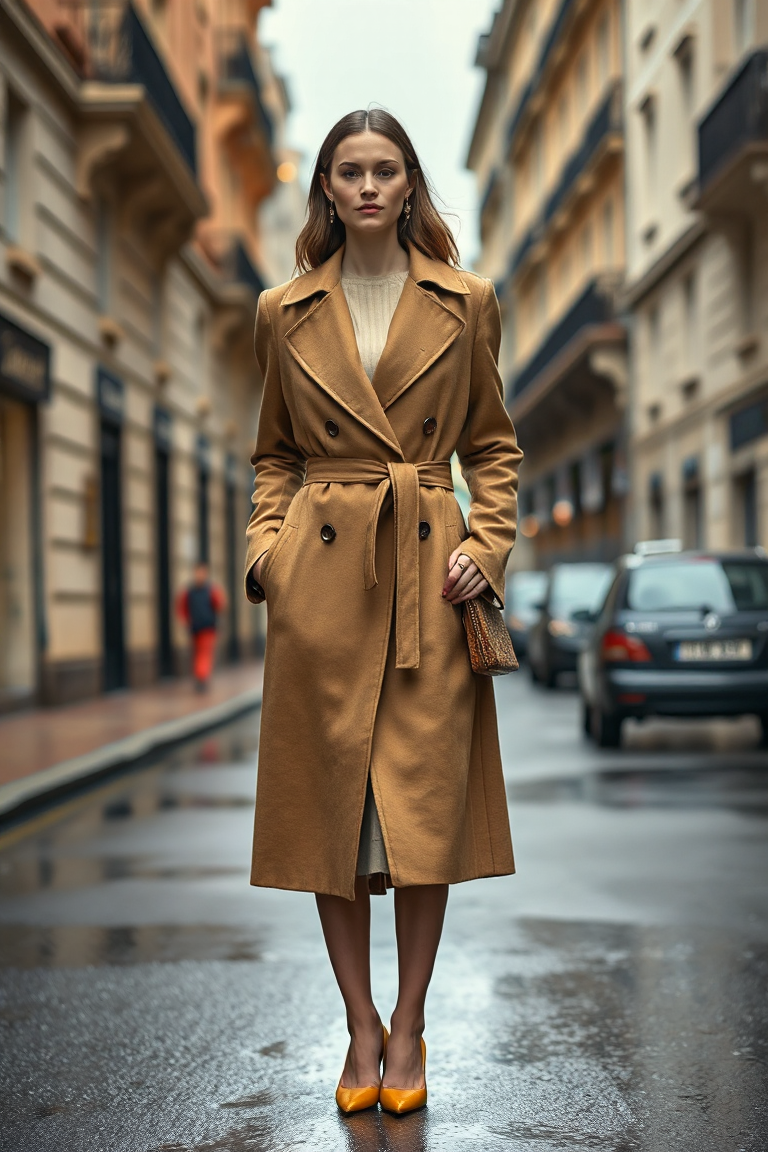
Why Fit Matters More Than the Price Tag
I used to believe that spending more automatically meant looking more polished, but I have since realised that fit trumps price every single time. A modestly priced coat that has been nipped and adjusted to your frame will always look more expensive than a costly one hanging awkwardly off your shoulders. When a coat skims your body in the right places, it reads as intentional and elegant, and people notice the overall impression rather than any single garment. That is the real magic of tailoring — it flatters your proportions and quietly signals that you take care with how you present yourself.
Start With the Shoulders
If there is one area I beg you not to compromise on, it is the shoulders, because they are the hardest and most expensive part to alter after the fact. The shoulder seam should sit exactly where your own shoulder ends, never drooping down your arm or straining across the back. When you try a coat on, roll your shoulders forward and lift your arms; if the fabric pulls or the seam shifts dramatically, the frame is wrong for you. Get the shoulders right at the point of purchase, and everything else becomes far easier and cheaper to perfect through tailoring.
Getting the Sleeve Length Just So
Sleeve length is one of those small details that makes an enormous difference to how refined you look. Ideally, the coat sleeve should end just past your wrist bone, allowing a slim, deliberate sliver of any dress or blouse cuff to peek through underneath. Sleeves that swallow your hands look borrowed, while ones that ride up appear ill-considered and childish. A good tailor can shorten or lengthen sleeves relatively easily, though do check whether there are functional buttons at the cuff, as these can complicate the alteration and add to the cost.
Defining the Waist for Shape
A dressy coat truly comes alive when it gives a gentle nod to your waist, and this is my favourite alteration to request. Even the most boxy silhouette can be brought in slightly through the side seams or the back, creating a soft hourglass that feels feminine without being restrictive. I always ask the tailor to take it in gradually so the shape looks natural rather than corseted, and I try it on over the outfits I actually intend to wear. The goal is a flattering curve that lets you move, sit and breathe with complete ease.
Considering the Coat’s Length on You
The hemline of a coat can either lengthen your legs or cut you off at an unflattering point, so it is well worth adjusting to your own height. As a general rule, I find that hemming a coat to hit just above or just below the knee is universally flattering, though a longer line can look wonderfully dramatic if you carry the proportion. Stand in front of a full-length mirror in the shoes you plan to pair it with, since heel height changes everything. A tailor can raise a hem beautifully, giving you a clean, considered finish.
Balancing the Buttons and Closure
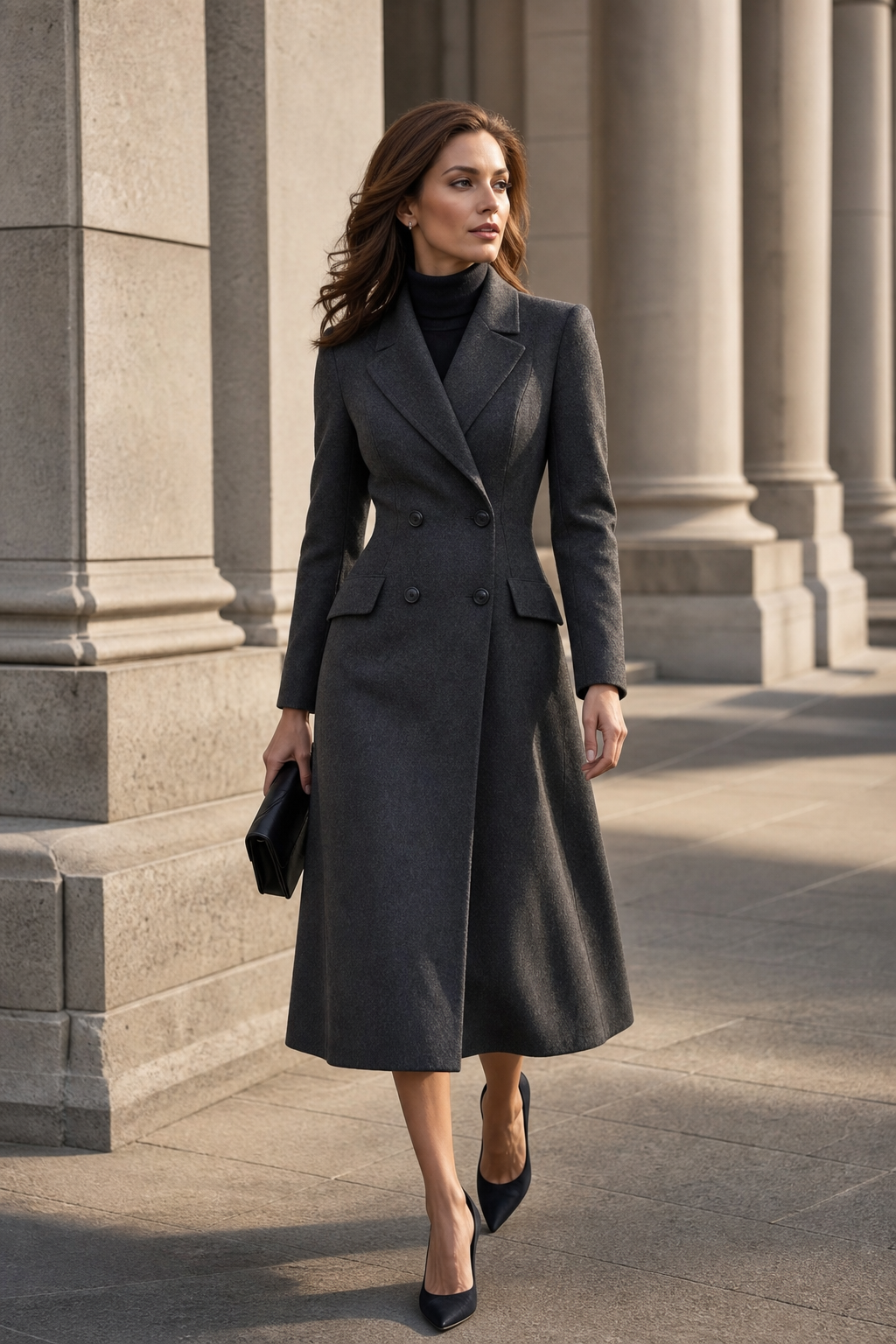
Where a coat fastens has a surprising influence on how balanced and elegant it appears. A single-button closure placed at the natural waist tends to be the most flattering, drawing the eye to the slimmest part of your torso. If your coat has multiple buttons, check that fastening them does not create any pulling or gaping across the bust, as this is a common and unflattering issue. A skilled tailor can reposition buttons or add a discreet internal fastening to keep the front lying smooth and closed exactly as it should.
Smoothing the Back and Vents
People forget about the back of a coat, yet it is the view others see most as you walk away. The fabric across your upper back should lie flat without horizontal creases, which usually indicate the coat is too tight through the shoulders or bust. Any vent at the hem, whether a single centre vent or two side vents, ought to hang closed and still rather than splaying open. If yours gapes, a tailor can adjust the seams so the back reads as clean, sculpted and thoroughly considered from every angle.
Choosing Alterations Worth Paying For
Not every adjustment delivers equal value, so I like to prioritise where my money goes. Taking in the waist, shortening sleeves and raising a hem are relatively straightforward and give an immediate, visible payoff for a modest outlay. Reshaping shoulders or completely restructuring the body, by contrast, is labour-intensive and can cost as much as the coat itself. My advice is to buy the best shoulder and overall frame you can, then invest in the simpler tailoring that fine-tunes the rest. Spend wisely and you will get a couture-level look for a fraction of the price.
Fabric and How It Behaves
The cloth your coat is made from dictates how well it will take to alteration and how it will drape once adjusted. Densely woven wool and structured blends respond beautifully to tailoring, holding a crisp new shape and pressing cleanly at the seams. Looser weaves, delicate satins or heavily textured fabrics can fray or pucker, so always ask your tailor whether the material will cooperate before committing. I also recommend a good steam and press after any work is done, as this sets the alterations and gives the whole coat a polished, finished appearance.
Fitting Over Your Real Wardrobe
One mistake I made for years was trying coats on over a thin jumper and assuming the fit would translate. In reality, a dressy coat needs to accommodate whatever you genuinely wear beneath it, be that a chunky knit, a tailored blazer or a slinky evening dress. Always bring or wear a representative layer to your fitting so the tailor can judge the room you truly need. This simple habit prevents that frustrating moment of finding your beautifully adjusted coat will not close comfortably over your favourite winter jumper.
Caring for Your Tailored Coat
Once you have invested time and money in the perfect fit, a little care keeps it looking immaculate for years. I always hang my coats on broad, shaped hangers that support the shoulders rather than thin wire ones that leave awkward peaks. Brushing wool gently after wear lifts dust and keeps the surface fresh, while spot-cleaning promptly avoids the need for aggressive treatments later. Store it somewhere breathable rather than sealed in plastic, and your tailored coat will reward you by hanging as gracefully as the day you first perfected it.
Frequently Asked Questions
How much should I expect to pay to tailor a dressy coat?
Costs vary widely, but simple jobs like taking in the waist or shortening sleeves are usually affordable, while structural work such as reshaping shoulders is considerably more, so prioritise the alterations that give the biggest visual payoff.
Can any coat be tailored, or are some hopeless?
Most coats can be improved, but the shoulders and overall frame must fit reasonably well to begin with, as these areas are the hardest and most costly to change; everything else is far more adjustable.
How do I know if the shoulders fit before buying?
Check that the shoulder seam sits exactly where your own shoulder ends, with no drooping or pulling; lift and roll your arms, and if the fabric strains or the seam shifts, the frame is wrong for you.