I’ve always believed that the best outfits aren’t just about the clothes—they’re about the little details that make you feel like the best version of yourself. I remember the first time I wore a simple white shirt and suddenly felt completely transformed by a pair of statement earrings and a vintage-inspired watch. That moment taught me that accessories aren’t just add-ons; they’re the secret language of style. Whether you’re dressing for a casual brunch or a black-tie evening, knowing how to accessorise properly can turn a good outfit into something truly unforgettable. In this guide, I’ll walk you through every essential tip, trick, and technique to help you master the art of accessorising, so you can feel confident, polished, and entirely you—no matter what you’re wearing.
Start with Your Outfit’s Mood and Purpose
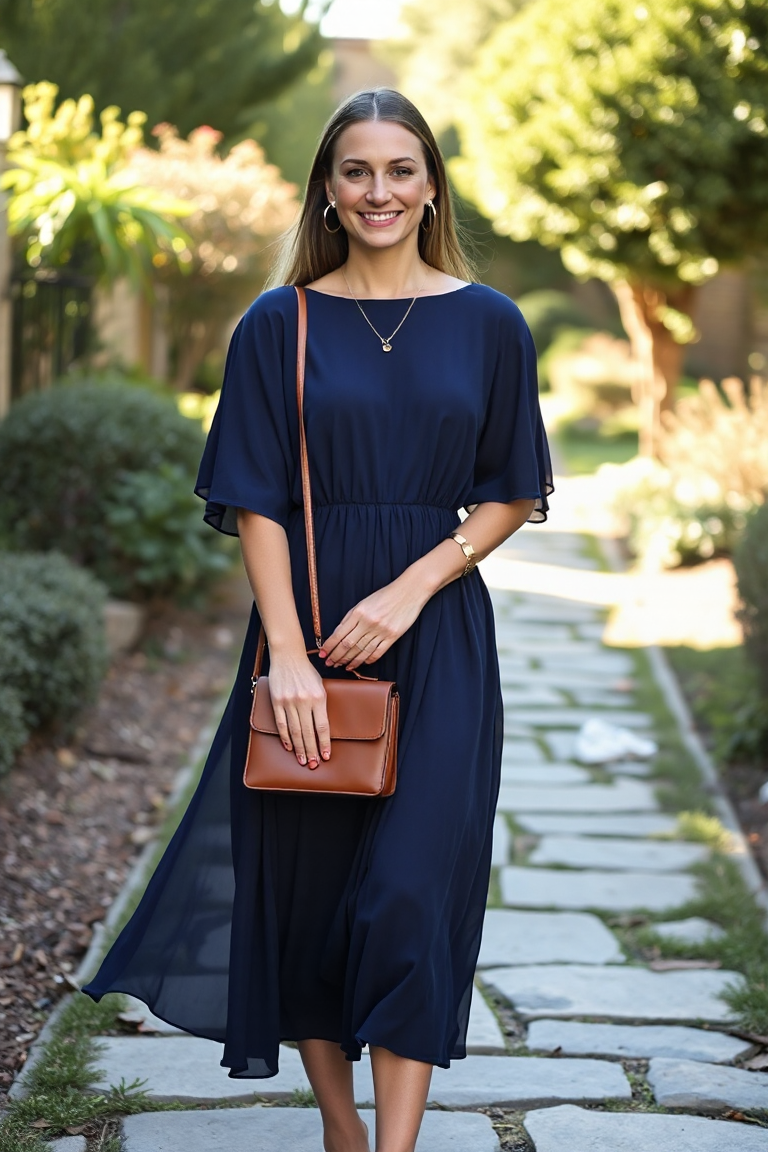
Before you even think about grabbing your favourite necklace or bag, it’s important to consider the mood and purpose of your outfit. Is it a relaxed weekend look, a workwear ensemble, or a night out? This simple step sets the foundation for all your accessory choices. For instance, if you’re heading to the office in a tailored blazer and trousers, you’ll want accessories that are polished and professional—think a sleek watch, a pair of stud earrings, and a structured handbag. On the other hand, if you’re heading to a music festival or a casual date, you might go for something more playful, like layered bangles, a wide-brimmed hat, or a woven tote. I always ask myself: “What feeling do I want to convey?” That helps me determine whether my accessories should be minimal and refined, or bold and expressive. The key is to ensure your accessories support the overall vibe of your look, not clash with it. When your accessories align with your outfit’s intention, everything feels cohesive and intentional.
Master the Basics: jewellery and watches
Jewellery is one of the most versatile ways to elevate any outfit, and it’s also one of the easiest to experiment with. I always start with a few key basics: a pair of classic stud earrings, a delicate chain necklace, a simple bracelet, and a watch. These pieces form the backbone of my accessory collection and can be worn together or separately depending on the look. When choosing jewellery, think about scale and proportion. For example, if you’re wearing a high-necked top, a chunky necklace might feel overwhelming—opt instead for a dainty pendant that sits just above the collar. On the flip side, if you’re wearing a simple V-neck dress, a bold statement necklace can add just the right amount of drama. I also love layering thin chains or stacking rings to create a personal, curated look. Remember, your jewellery should complement your face shape and the neckline of your clothing. For example, if you have a round face, long drop earrings can help elongate your silhouette. And always consider the metal tone—gold, silver, or rose gold—so it matches your other pieces and fits your skin tone.
Choose the Right Bag for the Occasion
One of the biggest mistakes I see people make is choosing a bag that doesn’t match the occasion. A large tote might be perfect for a day at the office or running errands, but it can look out of place at a formal dinner. That’s why I always consider the event and the practical needs of the day when selecting a bag. For everyday wear, I tend to go for a medium-sized crossbody bag that’s both stylish and functional. It keeps my essentials secure while allowing me to move freely. If I’m heading to a night out or a wedding, I’ll switch to a smaller clutch or a sleek evening bag—something that’s elegant but not too bulky. I also pay attention to the material and colour. A leather satchel in a neutral shade like taupe or black works with almost any outfit, while a woven or embroidered bag adds a boho flair that’s perfect for summer. And don’t forget the strap! A long strap lets you wear a bag crossbody, while a shorter one is ideal for a hand-held clutch. Ultimately, your bag should feel like an extension of your outfit—not a last-minute afterthought.
Don’t Underestimate the Power of Belts
Belts are one of those accessories that can completely transform an outfit, yet they’re often overlooked. I used to think of belts as just a way to hold up my trousers, but over time, I’ve learned they can be a powerful styling tool. A wide leather belt cinches in a loose dress or tunic, adding definition and shape to your silhouette. A thin belt can highlight your waist on a flowy top or pair perfectly with high-waisted trousers to create a flattering line. I’ve found that belts come in so many styles—some with bold buckles, others with delicate metalwork—that they can become a focal point in your look. When choosing a belt, consider the fabric and colour of your outfit. A black leather belt works with almost everything, while a wide woven belt adds texture and warmth to a summer ensemble. I also love using a belt to add a pop of colour or pattern—like a bright red belt with a neutral coat or a floral print with a denim jacket. It’s a simple way to add personality without overwhelming the look.
Hats Are the Ultimate Statement Piece
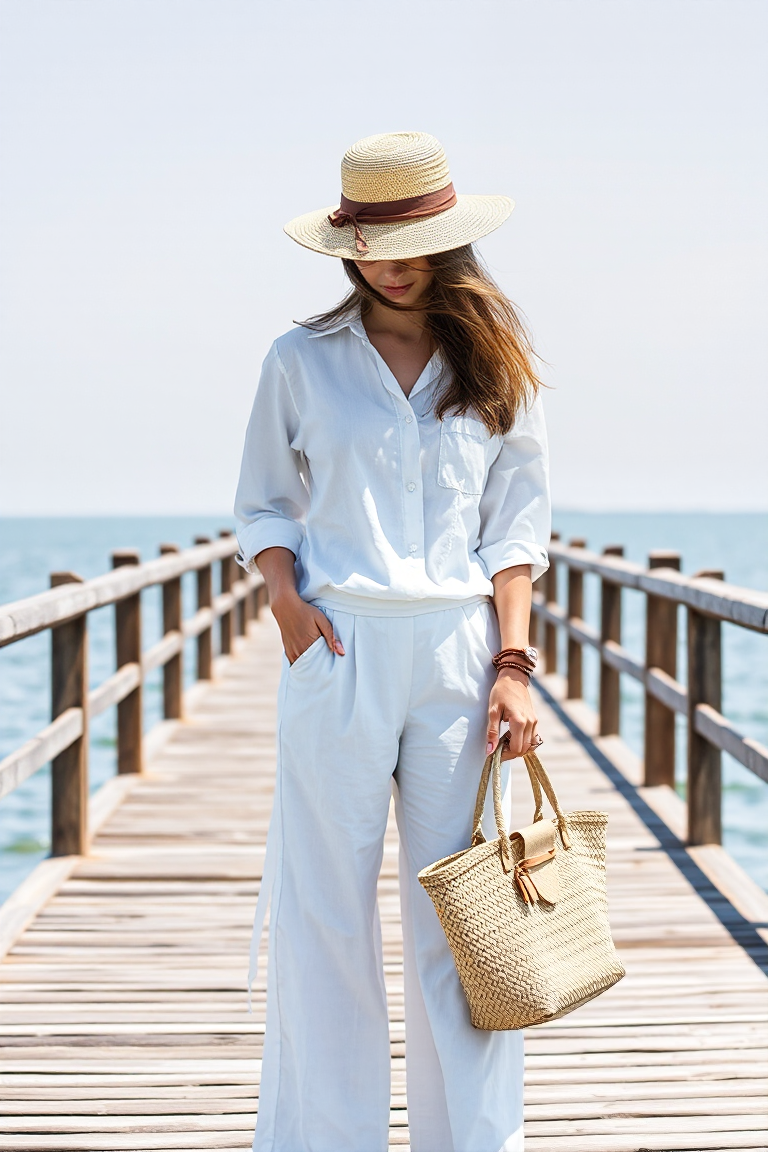
Hats are one of my favourite accessories for adding instant flair to any look. Whether it’s a floppy sun hat for a beach day, a fedora for a stylish stroll, or a beret for a Parisian-inspired moment, hats can completely change the energy of your outfit. I remember wearing a simple black dress with a wide-brimmed hat and suddenly feeling like I was in a vintage film—effortlessly chic. The key to choosing the right hat is to consider both your face shape and the overall style of your outfit. For instance, if you have a round face, a hat with a higher crown or a tilted brim can help create balance. A cloche hat might suit a vintage-inspired look, while a baseball cap adds a casual, sporty edge. I also love how hats can add a touch of drama or whimsy—like a feathered fascinator for a wedding or a wide-brimmed straw hat for a summer garden party. And don’t forget about practicality—some hats offer sun protection, while others are more about style. Whatever your reason, a well-chosen hat can make a strong fashion statement.
Shoes as Accessories: The Final Touch
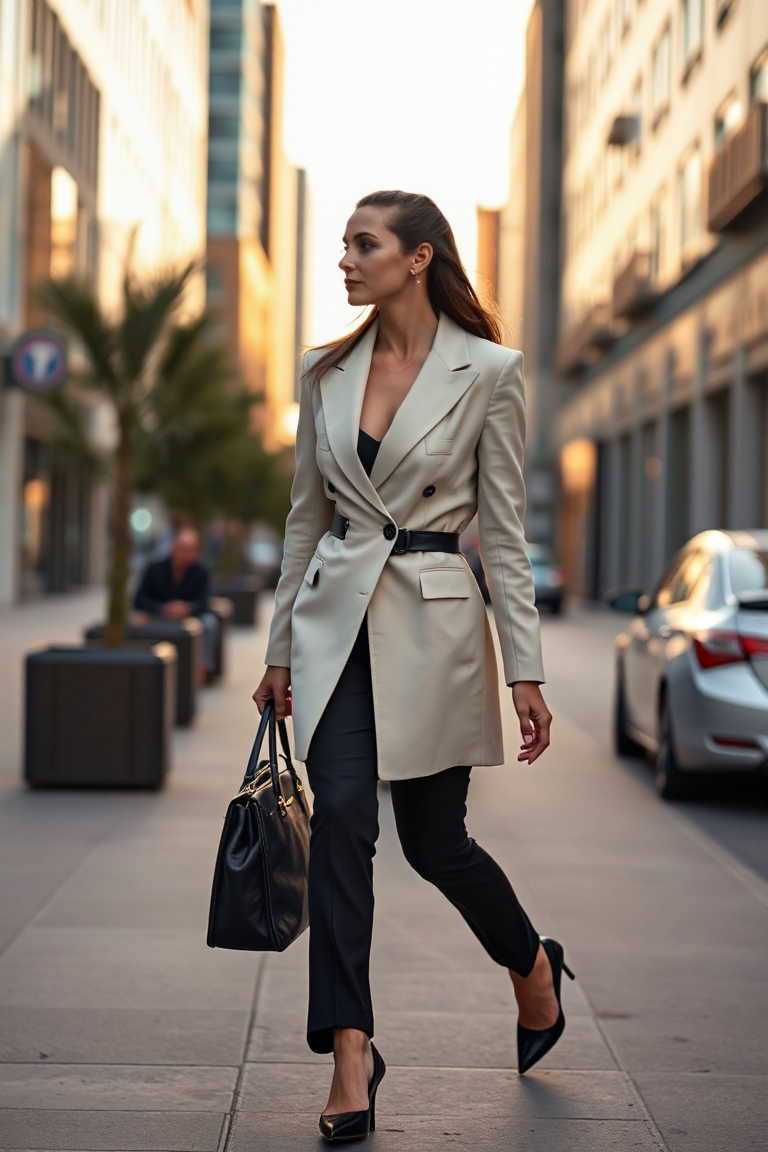
Shoes might seem like just a functional part of your outfit, but they’re actually one of the most impactful accessories you can choose. The right pair of shoes can make a plain outfit feel elevated, while the wrong pair can ruin even the most thoughtfully styled look. I always consider the occasion, weather, and the overall tone of my outfit when selecting footwear. For example, I’ll wear sleek black ankle boots with a little black dress for a night out, but swap them for comfortable loafers when heading to a casual brunch. I also like to match the style of my shoes to the vibe of my outfit—like pairing strappy heels with a flowy sundress or chunky sneakers with a relaxed denim look. I’ve found that even a small change in shoe style can shift the entire mood of an outfit. A pair of pointed-toe flats can make a casual shirt and jeans feel more polished, while a pair of bold-coloured loafers can add a pop of fun to a neutral outfit. And don’t forget about texture—leather, suede, or metallic finishes can add depth and interest.
Layering Accessories with Confidence
One of the most exciting aspects of accessorising is layering—combining multiple pieces to create a look that’s richer and more personal. I love layering delicate necklaces with a single statement piece, or stacking rings on multiple fingers to create a bold effect. But the key to successful layering is balance—too many accessories can feel chaotic. I always start with a base piece, like a pair of earrings or a watch, then build around it with a few complementary items. For example, I might wear a simple gold chain, layer it with a longer pendant, and add a few thin bracelets to the same wrist. When it comes to jewellery, I avoid matching sets unless I’m going for a vintage-inspired look—instead, I mix metals and textures for a more modern feel. I also like to balance heavy pieces with lighter ones—like pairing chunky earrings with a delicate ring. And when it comes to bags and hats, I keep them minimal if I’m already wearing bold jewellery, so the look doesn’t feel overcrowded. The goal is to create a harmonious look that feels intentional, not cluttered.
Consider Your Body Shape and Proportions
Accessorising isn’t just about fashion—it’s also about flattering your body shape and enhancing your proportions. I’ve learned that certain accessories can help balance your silhouette, draw attention to your best features, and create a more polished look. For example, if you have a petite frame, I’d recommend avoiding oversized bags or large statement earrings that can overwhelm your face. Instead, opt for smaller, delicate accessories that complement your size. On the other hand, if you have a fuller figure, a wide belt or a statement necklace can draw the eye upward and create a more elongated appearance. I also pay attention to the length of my accessories—longer necklaces work well with high necklines, while shorter necklaces suit V-necks. When it comes to footwear, I often choose shoes with a pointed toe or a higher heel to elongate the legs and create a more streamlined look. And for accessories like scarves or belts, I consider how they fall on the body—tighter belts and scarves can help define the waist, while looser ones add flow and movement. The right accessories can enhance your natural shape and help you feel more confident in your skin.
Use Colour to Elevate Your Look
Colour is one of the most powerful tools in accessorising, and I love using it to add personality and energy to an outfit. I often choose accessories in bold colours to stand out, especially when wearing neutral or monochrome clothing. A bright red clutch, a turquoise ring, or a scarlet scarf can instantly lift a simple outfit and make it feel more dynamic. I also use colour to create harmony—matching a pair of earrings to the lining of a coat, or selecting a bag that complements the shade of my lipstick. When choosing coloured accessories, I consider the season, the mood I want to convey, and my skin tone. I tend to go for jewel tones like emerald, sapphire, or amethyst in winter, and pastels or brights in spring and summer. I also love using colour to make a statement—like a bold patterned scarf or a pair of brightly coloured socks peeking out from under boots. The key is to balance colour so it feels intentional, not overwhelming. A pop of colour in one accessory can be enough to brighten the whole look.
Invest in Timeless Pieces, Not Trends
One of the biggest mistakes I see people make is chasing fast fashion trends with their accessories. While it’s fun to experiment, I’ve found that investing in timeless pieces pays off in the long run. A classic black handbag, a pair of gold hoops, a leather belt, and a simple watch are accessories you can wear year after year, season after season, without feeling outdated. I’ve kept the same silver watch for over a decade, and it still looks as elegant as the day I bought it. The key is to focus on quality, fit, and versatility—pieces that can be styled in multiple ways and work with different outfits. I also avoid overly trendy items that rely on fleeting aesthetics—like novelty earrings or novelty bags that only work for a single season. Instead, I go for accessories with clean lines, neutral colours, and classic designs that can be worn with anything. That way, you’re not just spending money—you’re building a style foundation that lasts.
Experiment with Textures and Materials
Textures and materials can add depth and intrigue to your outfit, even when you’re wearing neutral colours. I love mixing different textures—like pairing a soft cashmere sweater with a leather bag, or adding a silk scarf to a wool coat. This combination of materials creates visual interest and makes the outfit feel more dynamic. I also enjoy using accessories to introduce contrast—like a smooth metal watch against a chunky knit sweater, or a woven bag with a sleek leather coat. When selecting textured accessories, I consider the season and the overall vibe of the outfit. For example, a chunky knit scarf works beautifully in winter, while a sheer organza clutch is perfect for a summer evening. I also like to play with materials like suede, velvet, or crocodile-embossed leather to add a touch of luxury. The goal is to create a layered look that feels rich and thoughtfully curated, not flat or one-dimensional.
Frequently Asked Questions
How do I know if my accessories are too much?
Trust your gut. If you feel like your outfit is trying too hard or you’re unsure about how it looks, it’s probably too much. I always step back and ask myself: “Does this feel balanced?” If a piece draws too much attention or makes the outfit feel cluttered, it’s time to simplify. Sometimes, less is more.
Can I wear multiple statement pieces at once?
Yes, but with care. I love mixing a bold necklace with statement earrings or a large ring, but I keep the rest of the look minimal. The key is to ensure the statement pieces don’t compete with each other—choose accessories that complement rather than clash.
What’s the best way to store accessories to keep them in good condition?
Store jewellery in a soft-lined box or pouch to prevent scratches, and keep bags in dust bags with tissue paper inside to maintain their shape. I also avoid exposing accessories to moisture or direct sunlight, which can damage materials over time.